Build Block Craft
- 3.5
- Rating
- 10.00M
- Installs
- Free
- Price
 Analysis by App-foxy
I approached Build Block Craft expecting a straightforward block-building game, and that is exactly where its appeal begins. It is an adventure game from SENSPARK that puts construction at the center of the experience rather than treating it as a small side activity. The free entry point makes it easy to try, while the simple visual language gives the game an immediately understandable mood: place blocks, shape a space, and decide what kind of small world you want to spend time in.
My first impression was positive because the concept is easy to read without a long explanation. I could look at the environment and understand the basic invitation straight away. This is a game for players who enjoy making something visible with their own hands, even when the project is modest. It does not need a complicated story to create a reason to continue; the attraction comes from turning an empty or unfinished area into something that feels personally arranged.
The game is listed for Everyone, which fits its approachable presentation. That does not mean every player will find it equally satisfying. Someone looking for a fast, combat-heavy adventure may find the pace too gentle, while a player who likes creative building can settle into it more naturally. I see it as a relaxed construction experience with an adventurous wrapper, not as a traditional narrative adventure built around dramatic plot turns.
You May Also Like

 Blood Strike: 2.5 Anniversary
Blood Strike’s Loadouts Turn Every Drop Into a Tactical Gamble
A close look at Blood Strike’s custom loadouts: how fast access to signature weapons reshapes its battle royale rhythm, rewards preparation, and narrows the gap between fights.

 Pandora - Music & Podcasts
Pandora’s Music Is Easy to Start, but Harder to Recover
Pandora’s strength is its low-effort path from a seed to a station. Its weak spot is how much confidence it asks you to place in connection, setup, and quiet recovery.

 8 Ball Pool
 Is Built on Rivalries, Rematches, and Routine
A close look at the rivalries, rematches, shared routines, and unanswered safety questions that turn a quick pool match into a persistent mobile community.

 Samsung Music
’s Quiet Strength Is Playing What You Already Own
Its reach comes less from spectacle than from dependable access to a personal library. That simplicity is both the app’s strongest retention engine and its ceiling.

 AccuWeather: Weather Radar
AccuWeather Review: A Quick, Clear Forecast for Everyday Decisions
For everyday plans, the best forecast is the one you can understand quickly. AccuWeather makes rain timing, radar, and local conditions easy to act on, with a few trade-offs.

 Hill Climb Racing
Why Hill Climb Racing Still Turns Crashes Into One More Run
A tiny car, a bumpy hill and one more upgrade: Hill Climb Racing keeps resurfacing because its simple chaos makes every near-miss feel personal.
More From Our News Desk
View All News


How the visual world makes building feel inviting
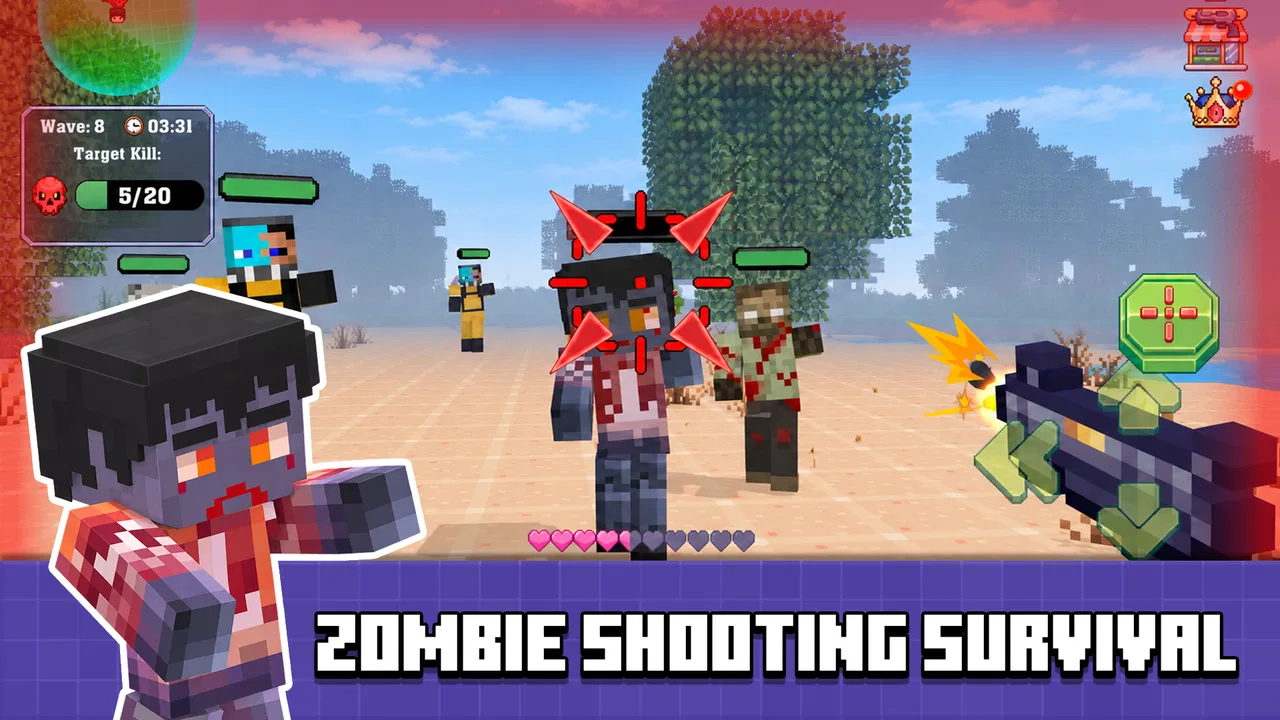
The block-based art direction does more than make the game recognizable. It gives every object a shared visual language, so a wall, path, decoration, or larger structure feels as though it belongs to the same handmade world. That consistency matters. When a game is built around placing pieces, the pieces need to look compatible, and here the simplified style helps the player focus on shape and arrangement instead of visual clutter.
I also like the way this style lowers the pressure to be perfect. In a highly detailed building game, an unfinished structure can look obviously wrong. With block-based forms, an early idea can still feel like part of the setting. That makes experimentation less intimidating. I can start with a rough outline, change the proportions, and keep working without feeling that every placement has to be final.
The setting works best when I treat it as a personal project rather than a guided sightseeing tour. The environment gives me a place to build, but the emotional payoff comes from the choices I make inside it. A compact shelter, a decorative corner, or a larger arrangement can all become meaningful if I have a clear reason for placing them. This is one of the game’s quiet strengths: it gives ordinary construction enough visual identity to feel like progress.
There is also a useful trade-off in the simplified presentation. It makes the game easier to understand at a glance, but it may not satisfy players who want rich textures, realistic lighting, or a constantly changing visual spectacle. I would choose this style for clarity and comfort, not for visual realism. The best results come from thinking about silhouette, spacing, and color balance rather than expecting the game to deliver a cinematic landscape.
Small building projects work better than vague ambitions
One practical lesson I found helpful is to begin with a small visual goal. Instead of deciding to create an enormous settlement immediately, I would first define one corner that should look finished: an entrance, a compact room, a short path, or a recognizable landmark. This gives the block placement a rhythm and prevents the early session from becoming a loose pile of disconnected pieces.
That approach is especially useful on a phone. Touch controls are more comfortable when I am making deliberate changes in a limited area rather than trying to manage a huge plan all at once. I can check the shape from different angles, notice awkward gaps, and make corrections before the project becomes difficult to understand. The game’s art direction rewards this kind of close attention because simple forms make proportion easy to see.
For younger players, the same method can turn the experience into a gentle creative exercise. A player can choose one structure, decide what it needs, and gradually add details. For adults, it can be a short decompression activity after work. In both cases, the world is most enjoyable when the player supplies a little direction instead of waiting for the game to provide all the excitement.
Sound, pacing, and the feeling of a quiet session
The mood of a block-building game depends heavily on pacing. If every moment demands urgency, construction becomes a chore. Build Block Craft feels better when I let the session unfold slowly, using the time between decisions to look at the space and consider what should come next. That unhurried rhythm supports the visual style because the world has room to be observed rather than rushed through.
Sound contributes to that impression by framing the building activity instead of overwhelming it. I prefer this kind of audio role in a creative game: it should help the environment feel present while leaving enough space for concentration. The result is a playable mood that is calmer than an action-focused adventure, with the satisfaction coming from steady progress rather than constant stimulation.
This pacing also explains why the game can fit into different kinds of everyday use. I could play for a brief break by improving one small area, or stay longer when I had the patience to shape a more complete project. The important distinction is that a short session still has a clear purpose. I do not need to complete a giant construction to feel that I have done something useful; finishing a small section can be enough.
Players who need a strong soundtrack, rapid objectives, or frequent surprises should keep their expectations in check. The atmosphere is not designed around dramatic escalation. Its strength is continuity: the same visual and mechanical ideas keep supporting a relaxed building mood. That can be comforting, but it can also feel repetitive if I am not personally interested in arranging spaces.
A simple rhythm for getting more from each session
My preferred routine is to divide a session into three stages. First, I inspect the area and decide what should be the visual focus. Next, I build the main shape without spending too much time on decoration. Finally, I step back and fix the parts that look crowded, empty, or disconnected. This order is more effective than decorating immediately because the larger structure determines whether the small details will have any impact.
I also find it useful to stop after completing a recognizable unit rather than continuing until I am tired of the game. That keeps the next session inviting. A finished section gives me a reference point, and returning to the world feels like continuing a project instead of starting from nothing. For a game with a measured pace, this kind of self-imposed structure helps maintain momentum.
The same idea helps answer an important practical question: is it suitable for casual play? Yes, if casual play means making gradual progress in small steps. It is less suitable if casual play means receiving a new burst of action every few minutes. The game’s rhythm asks for attention, but not urgency, and that distinction shapes the entire experience.
Where the mechanics support the mood—and where they may not
The central mechanics fit the presentation because building is both the activity and the reward. I am not simply moving through a decorative world; I am changing the space and then judging the result. That connection gives each placement a visible consequence. Even a basic structure can feel satisfying when it improves the way an area reads.
The free model is another practical advantage. I can begin without paying, which lowers the risk for anyone unsure whether block construction will hold their interest. The game includes in-app purchases ranging from ten cents to ninety-nine dollars and ninety-nine cents per item, so I would approach optional spending carefully and decide in advance whether I want to keep the experience entirely free. The important point is that the entry cost does not force an immediate commitment.
Because the game has reached over ten million installs and has an average rating of three and a half from around five thousand ratings, I would describe its reception as broad but mixed rather than universally loved. That matches my own view: the core idea is accessible, yet the calm construction loop will naturally appeal more to some players than others. A rating like this is a reminder to judge the game by your preferred pace, not by popularity alone.
The current version is 2.3.0 and requires Android ten or later. That makes device compatibility an important first check for anyone using an older phone or tablet. On a supported device, I would still keep the display clear and avoid beginning with an overambitious project. Large plans are harder to manage through touch, and the game is more enjoyable when the player can see the relationship between each block and the surrounding space.
One of the less obvious trade-offs is that creative freedom can create its own lack of direction. If I open the game without a plan, I may spend time placing pieces without developing a coherent result. The solution is not necessarily more content; it is a better workflow. I get more from the game when I decide on a function for an area before I decorate it. This turns free building into a sequence of understandable decisions.
Who should choose it over a more traditional adventure game?
I would recommend it to someone who enjoys visual problem-solving, casual creation, and the feeling of gradually improving a place. It is a good match for a player who likes to pause, adjust, and inspect the result. It can also suit families looking for an Everyone-rated building experience, provided the player understands that the optional purchase range means adults may want to supervise spending.
I would not choose it for a player whose main priority is a deep story, complex character development, or high-pressure exploration. A conventional adventure game will usually do more with narrative momentum and structured objectives. Likewise, a specialized creative sandbox may be a better choice for someone who wants a larger toolkit, more elaborate construction systems, or a stronger focus on unrestricted design. Build Block Craft sits between those expectations: it uses adventure framing, but its heart is the act of building.
Compared with a typical action adventure, the reward here is less about defeating an obstacle and more about making an environment feel right. Compared with a pure building sandbox, the adventure identity gives the activity a little more sense of place. That middle position is its clearest identity, but it is also why expectations matter. Players should not install it expecting either a full story campaign or an advanced architectural simulator.
Three practical ways to avoid frustration
- Start with one finished visual area instead of spreading blocks across the whole setting. A completed focal point makes later expansion easier to judge.
- Build the main outline before adding small touches. If the proportions are wrong, decoration can hide the problem temporarily but will not solve it.
- Treat purchases as optional extras and set a personal spending limit before exploring them, especially when the available price range is so wide.
These habits sound simple, but they address the main friction points directly. They reduce messy layouts, make short sessions feel productive, and protect the relaxed mood from turning into pressure. They also make the game more approachable for someone who has never played a block-building title before.
My atmosphere verdict after spending time with it
What stays with me is the coherence between the art direction, sound, setting, and mechanics. The block visuals make construction readable, the measured audio supports concentration, and the pacing gives each decision enough room to matter. None of these elements tries to overpower the others. Together, they create a quiet adventure mood built around personal progress.
That coherence does not remove the limitations. The experience can feel slow to players who need constant action, and the open-ended building loop may seem thin if they want a strong narrative or a large set of specialized systems. The mixed average rating also feels understandable: the game has a clear audience, but its appeal depends strongly on enjoying calm, hands-on construction.
I would recommend giving it a try if you want a free way to explore block building on a supported Android device and you like setting your own small goals. I would begin with a compact project, play without rushing, and decide after a few sessions whether the atmosphere keeps drawing me back. If the pleasure of arranging a space outweighs the desire for combat or story, the game can become a pleasant creative routine.
My final view is that Build Block Craft is at its best when treated as a peaceful building adventure, not as an all-purpose action game. It offers an accessible starting point, a recognizable visual identity, and enough freedom to make a place feel personal. For me, the most convincing reason to keep it installed is not the promise of endless spectacle, but the simple satisfaction of returning to a half-finished area and making it look more like the world I had in mind.
If that kind of gradual, visual progress sounds rewarding, SENSPARK’s game is worth trying at no upfront cost. If you prefer tightly scripted objectives, richer storytelling, or more demanding construction tools, another adventure or sandbox will probably serve you better. Knowing that distinction before downloading is the key to enjoying what this particular game is designed to do.
FAQs for Build Block Craft
01What is Build Block Craft and what can I do in the game?
Build Block Craft is a sandbox-style game that allows players to unleash their creativity by constructing structures using various block types. You can design anything from small houses to sprawling cities. The game offers a wide range of tools and materials to bring your architectural visions to life, making it perfect for players who enjoy building and design.
02Is Build Block Craft free to play, and are there in-app purchases?
Build Block Craft is free to download and play on both Android and iOS platforms. However, the game does include in-app purchases. These purchases can enhance your gaming experience by providing additional resources, skins, or tools. While they are optional, they can help you progress faster or unlock special features.
03Does Build Block Craft require an internet connection to play?
Build Block Craft can be played offline, which means you don’t need a constant internet connection to enjoy the game. However, certain features, such as updates, accessing new content, or sharing your creations online, will require an internet connection. Playing offline is ideal for uninterrupted gaming sessions on the go.
04What age group is Build Block Craft suitable for?
Build Block Craft is designed to be family-friendly and is suitable for players of all ages. The game’s intuitive controls and creative focus make it accessible for younger players, while the depth of construction options provides engaging challenges for older gamers. Parental supervision is recommended for in-app purchases.
05How does Build Block Craft compare to other building games?
Build Block Craft stands out with its user-friendly interface and expansive building options. Unlike some other building games that focus on survival or combat, this game emphasizes creativity and construction. It’s perfect for players who want a relaxing experience without pressure, providing a unique environment to explore and create.
Pros
- Intuitive controls for easy building
- Vibrant graphics enhance creativity
- Multiplayer mode adds social fun
- Regular updates with new features
- Offline mode for uninterrupted play
Cons
- In-app purchases can be costly
- Occasional lag in multiplayer mode
- Limited resources without purchases
- Ads can be intrusive at times
- Initial tutorial is somewhat brief

Build Block Craft
Gallery